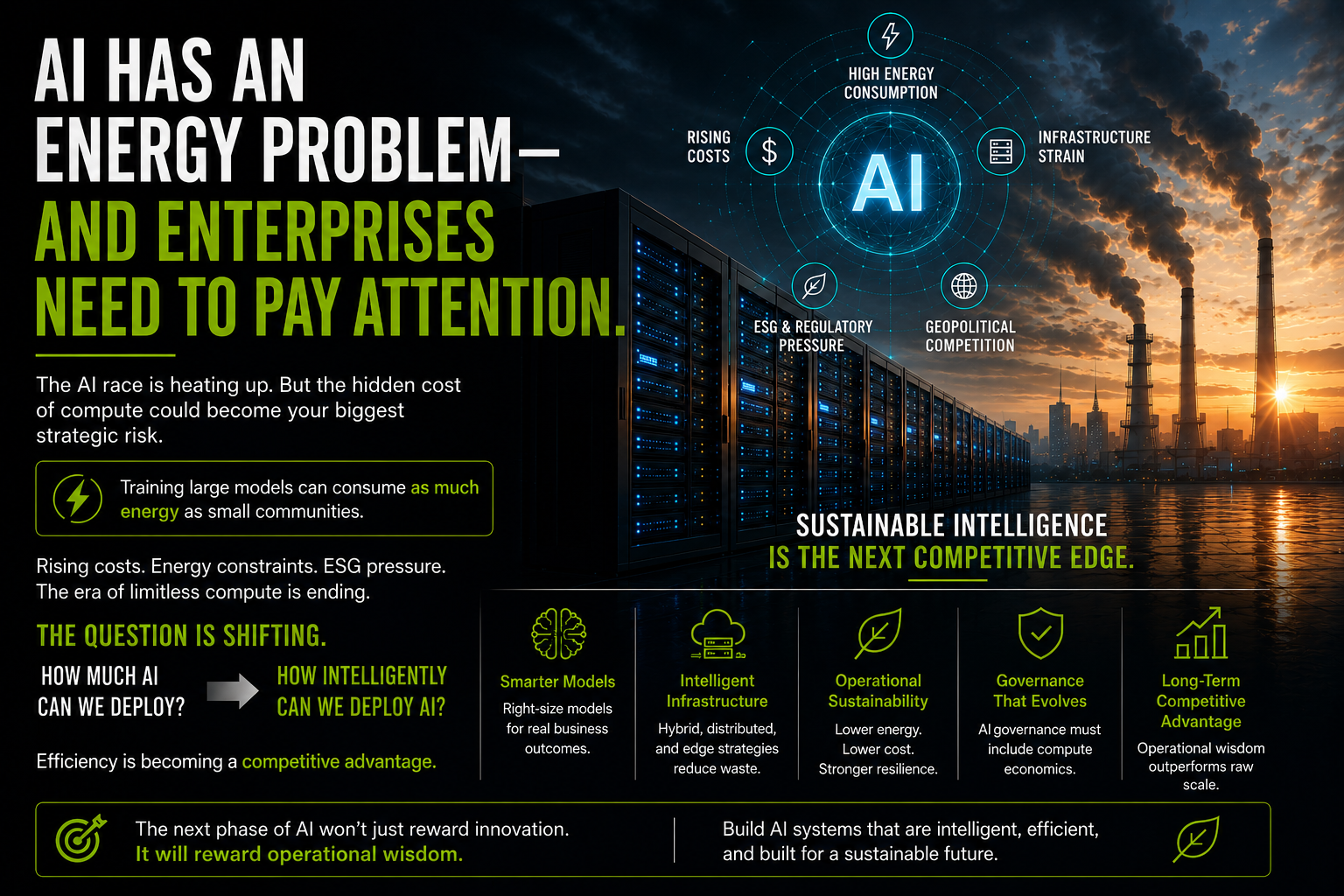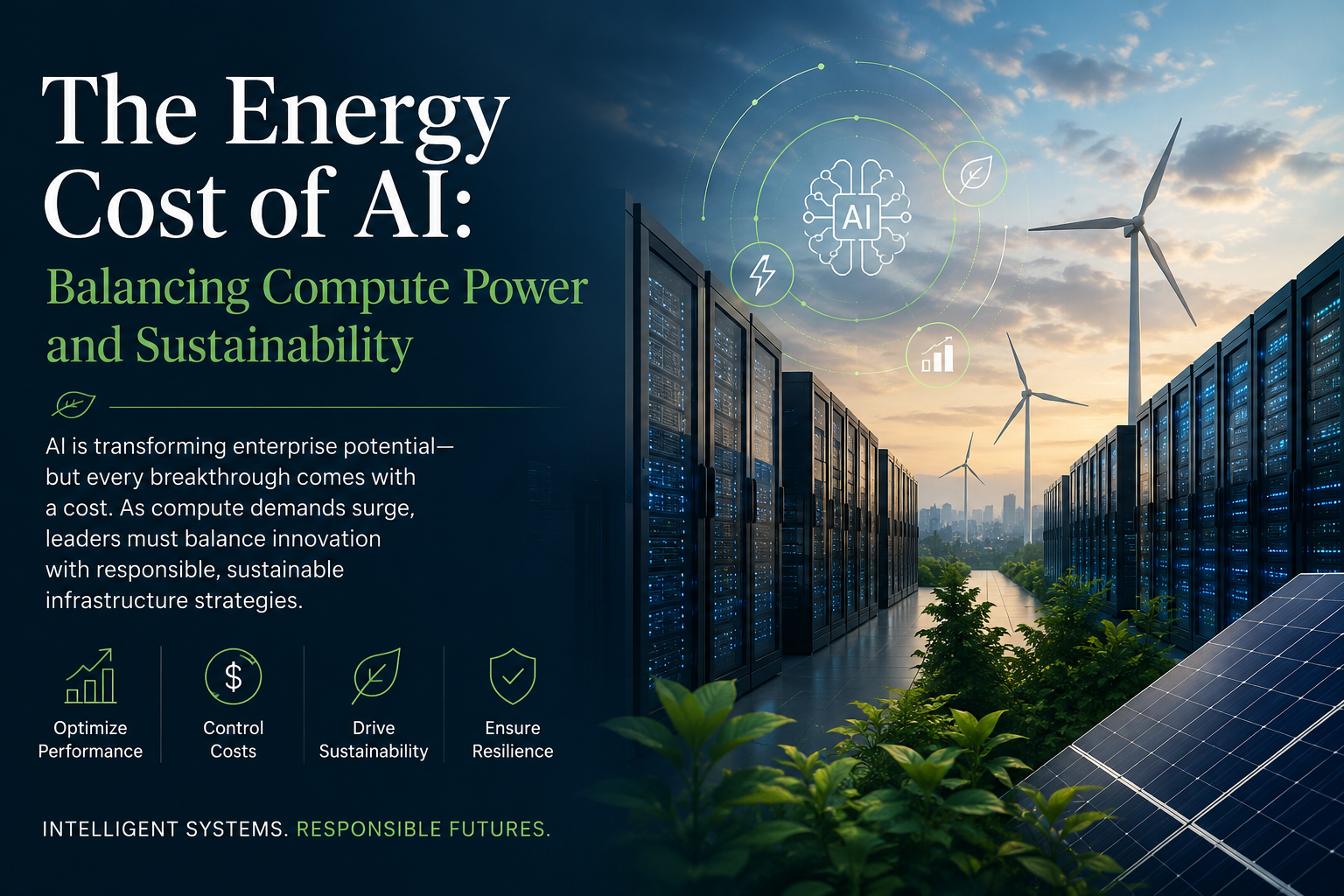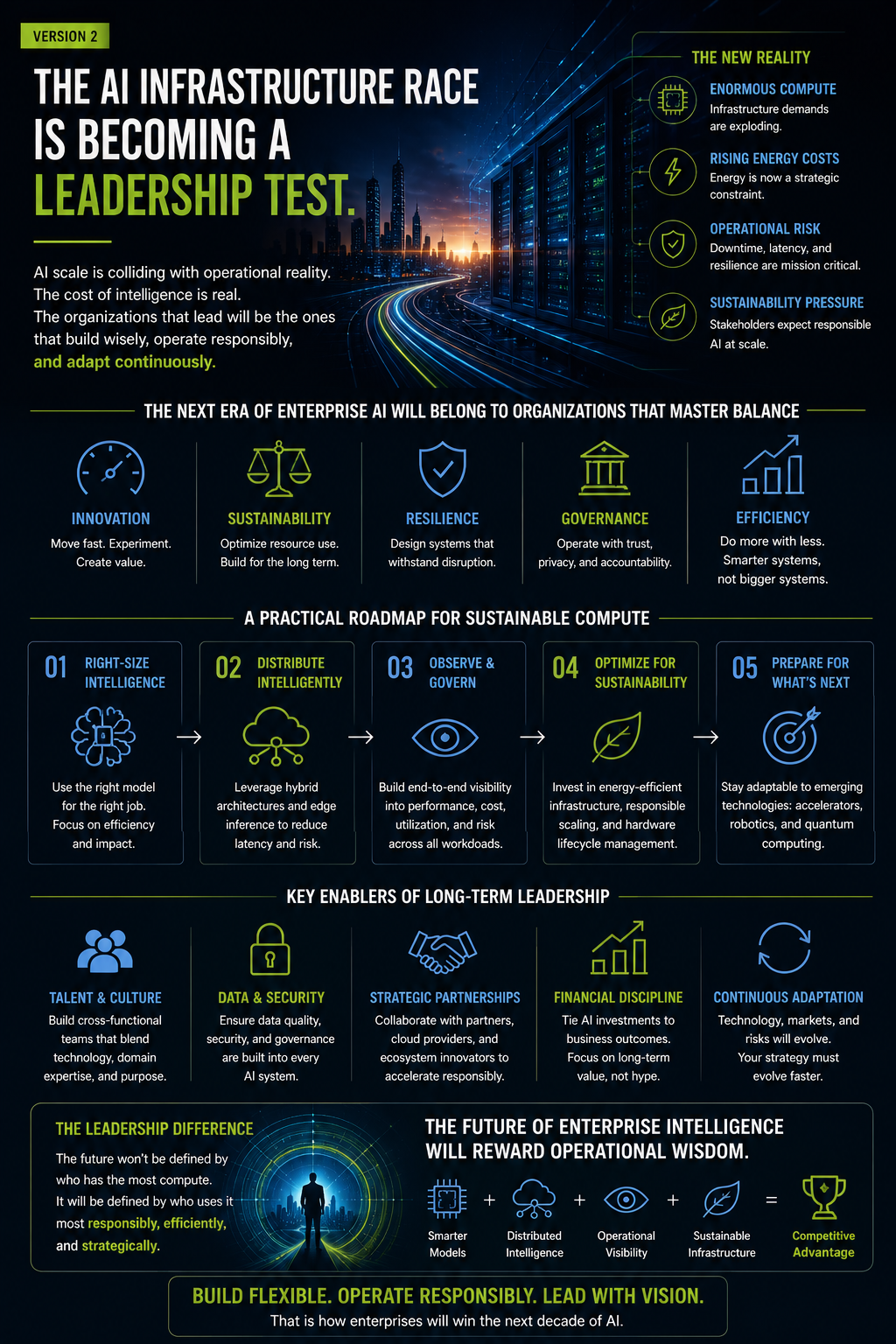
Enterprises must now determine how to balance innovation with sustainability, speed with resilience, and capability expansion with long-term operational economics.
Read More
Enterprises must now determine how to balance innovation with sustainability, speed with resilience, and capability expansion with long-term operational economics.
Read MoreThe race toward hyperscale artificial intelligence has produced extraordinary breakthroughs. But it has also created a growing operational reality that enterprises are now confronting: centralized AI alone may not scale efficiently for the future.
Read MoreAI governance can no longer focus solely on ethics, privacy, and model risk. It must also include operational sustainability and compute economics. Organizations that ignore this reality may find themselves building expensive, difficult-to-scale AI ecosystems with unclear long-term economics.
Read MoreThe conversation around AI is evolving. It is no longer only about what AI can do. Increasingly, it is about what it costs to operate responsibly at scale.
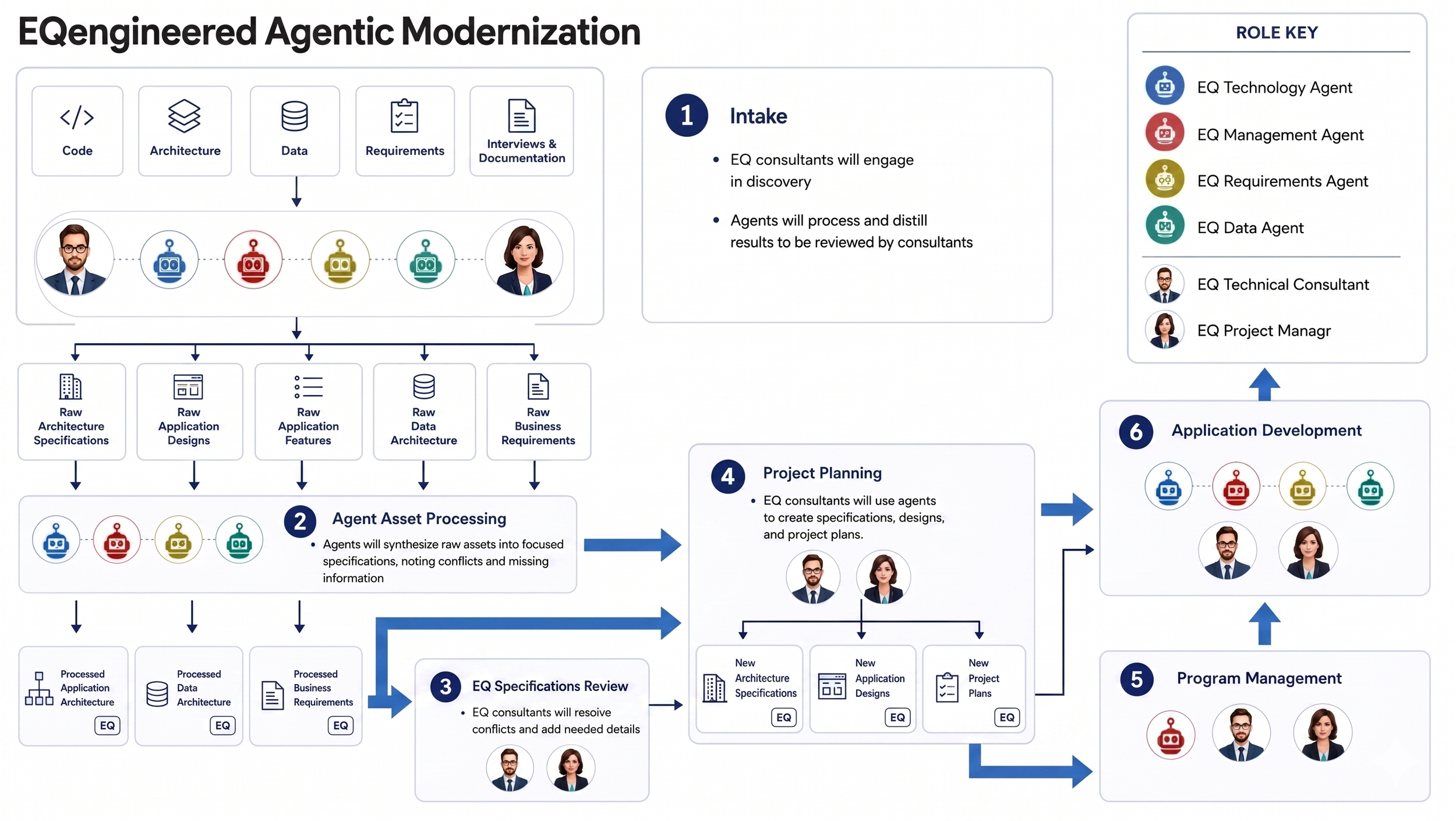
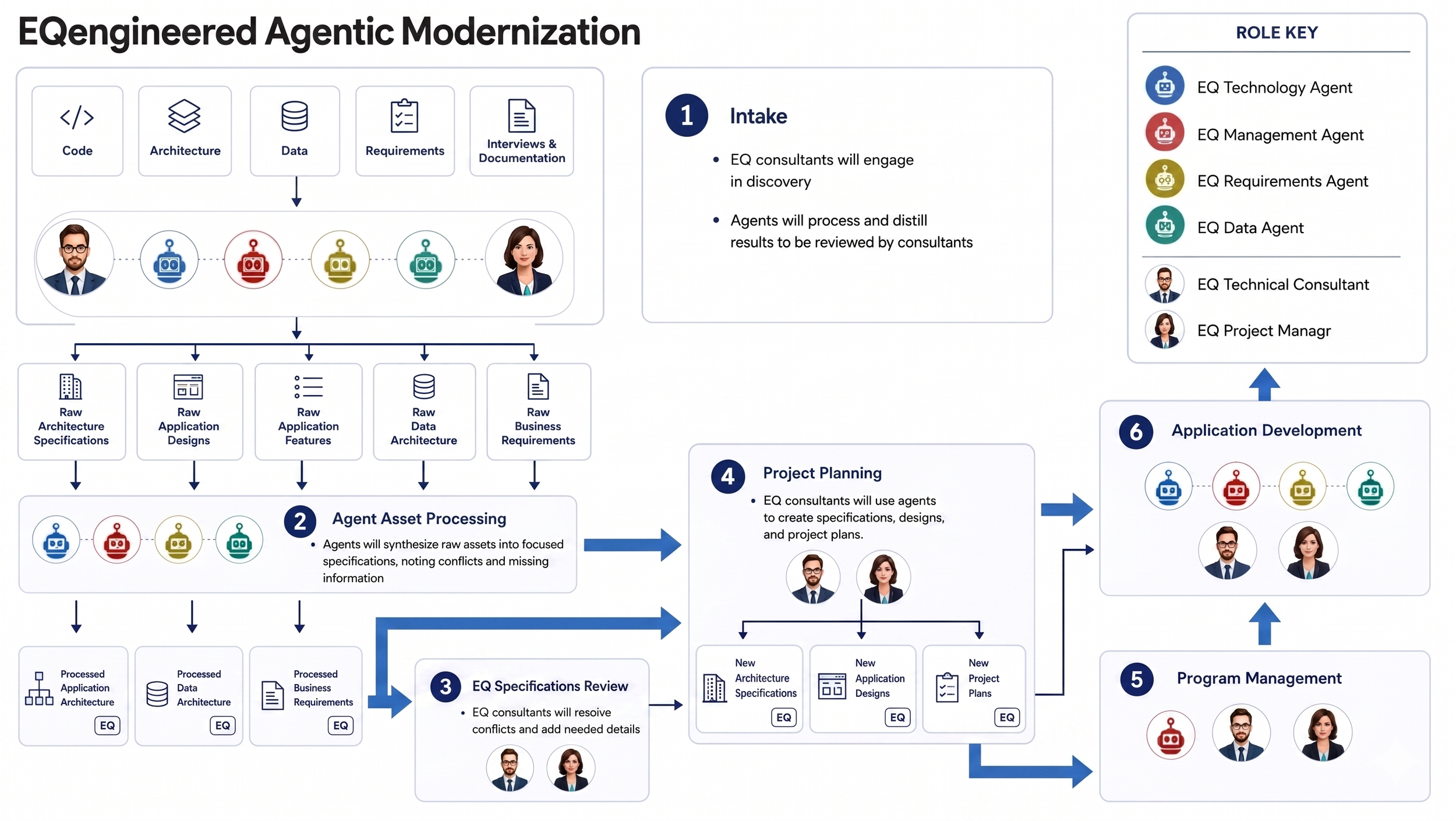
Read MoreEQengineered’s Engineering Intelligence Framework begins by ingesting and interpreting legacy codebases, helping enterprises cut through decades of accumulated technical debt to uncover the underlying business logic that drives critical operations.
Read MoreThe Engineering Intelligence Framework is not just an automated tool; it’s built around the principle of human-in-the-loop governance. While AI agents accelerate analysis and insight, the final decisions, whether in understanding legacy complexities or defining greenfield requirements, are validated by human expertise. Furthermore, security and compliance are paramount. The Harness ensures that all legacy data and knowledge artifacts are handled with enterprise-grade security, ensuring data integrity and compliance with regulatory frameworks. In this way, enterprises gain not only speed and clarity but trust and control.
Read MoreBy leveraging local models, trained on specific tasks and closer to the data, enterprises can significantly reduce unnecessary computation and then elevate only the most valuable insights to frontier models.
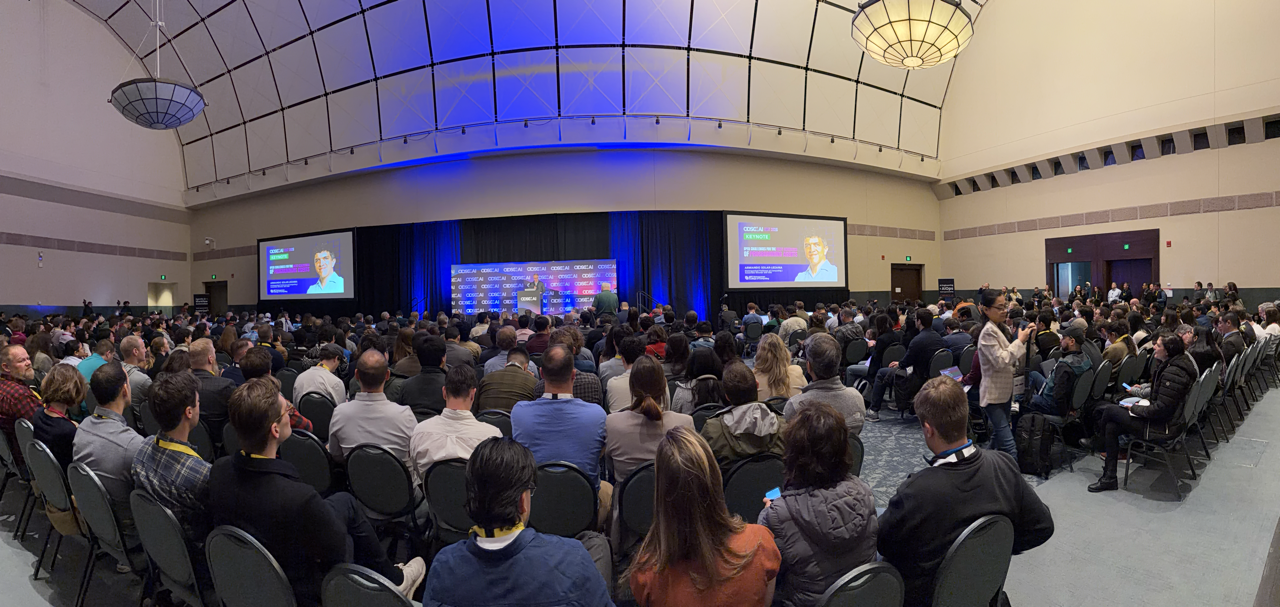
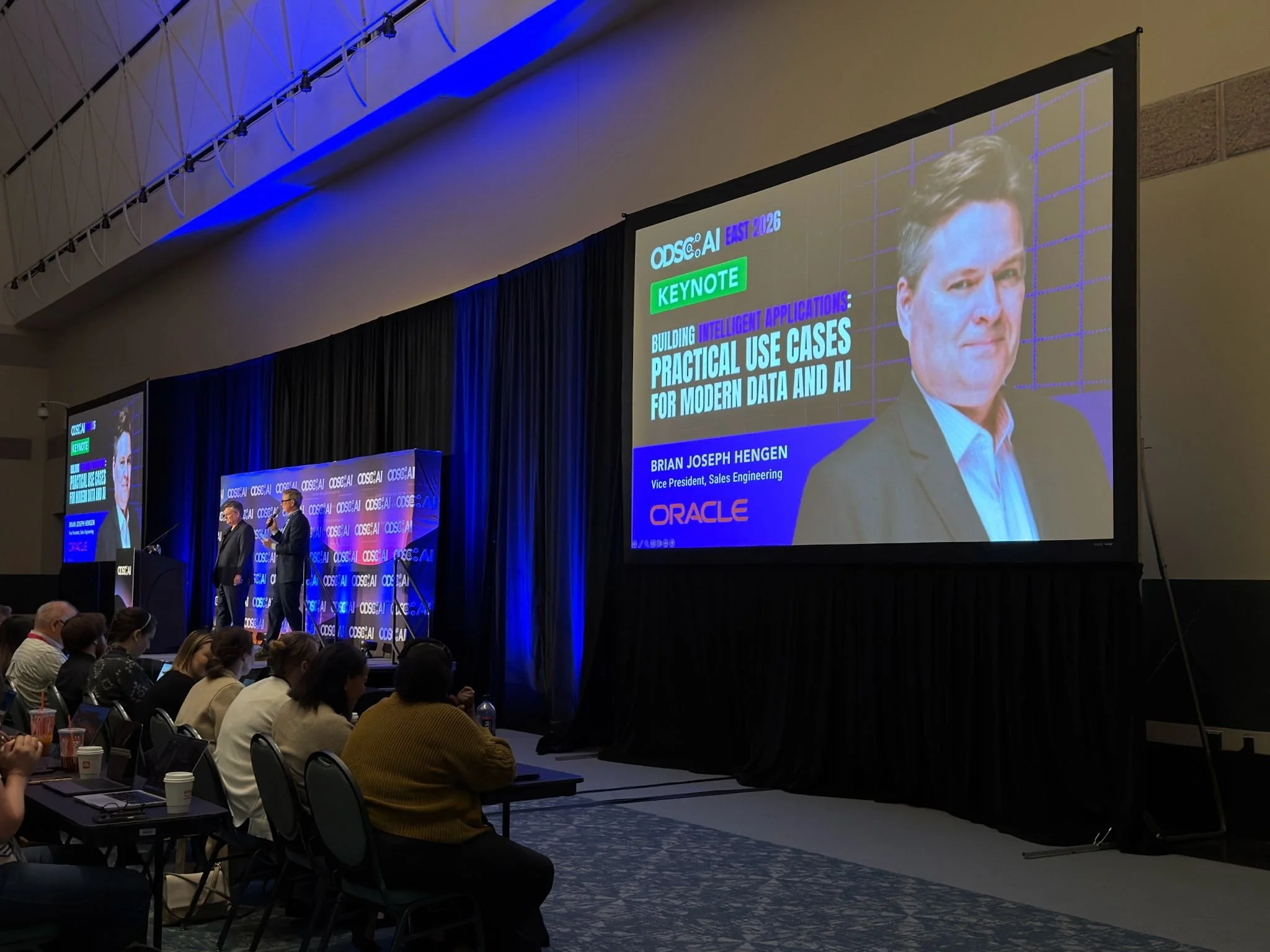
Read MoreDay 3 at ODSC East pushed the conversation from operational maturity into trust: how AI systems are evaluated, monitored, governed, revised, and understood by the people depending on them.
Read MoreEnterprise AI is moving past the demo phase. The harder questions now are about ownership, reliability, data access, evals, governance, and cost.
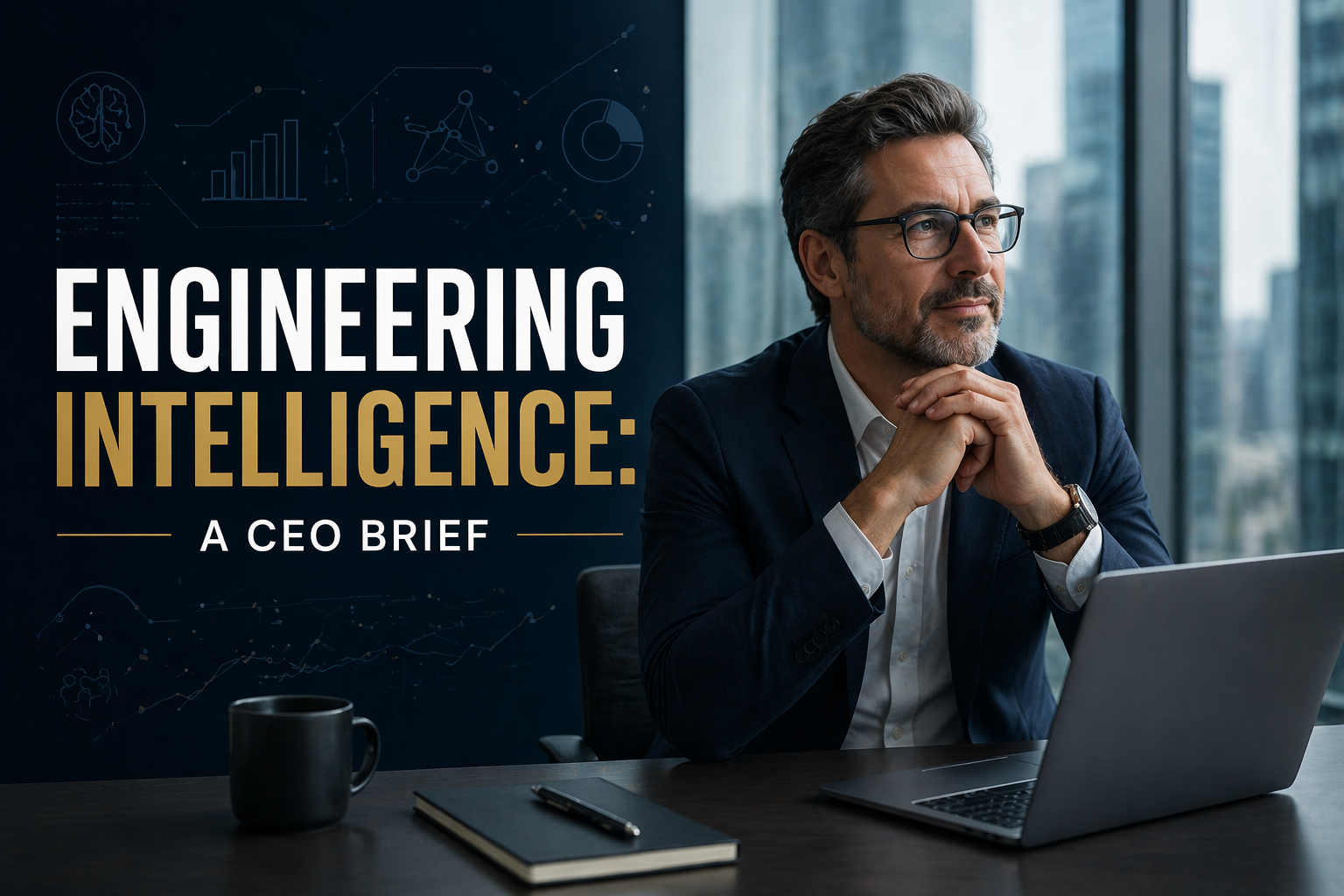
Read MoreThe competitive divide will not be defined by access to AI models, but by the ability to engineer intelligence into core business systems, workflows, and decisions.
Read MoreOpen models are no longer just a cost experiment. They are becoming a practical layer in enterprise AI systems, especially when paired with frontier APIs through thoughtful hybrid routing.
Read MoreThe manager quality gap is not simply a leadership issue. It is an operational challenge that requires systemic solutions.
Read More