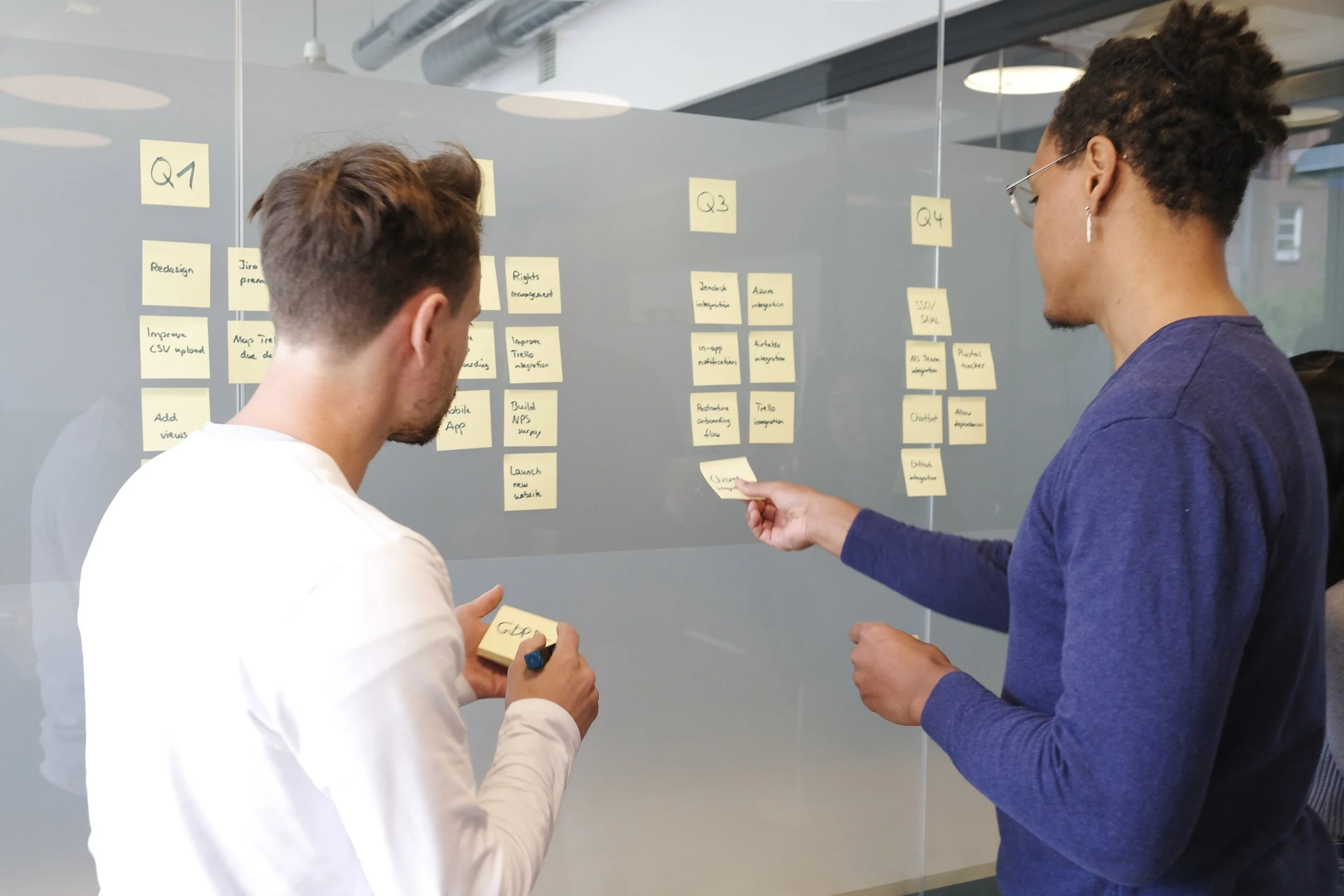
PMO Focus | How to Start (or Restart) a Project by Margo Rabchenuk
Starting a project is exhilarating and daunting, and restarting a project can feel uncomfortable and disorganized. The team has an empty backlog or one filled with work that is no longer needed and a general sense of what needs to be done. In the ideal Agile project, a product owner has filled the backlog with comprehensive stories that contain detailed instructions, designs, architecture, requirements, and acceptance criteria.
Read More
Navigating the Challenges of Implementing a Shared Component Library for the Enterprise by William Ramirez
implementing an enterprise-shared component library enhances consistency, branding update efficiency, and user experience. By addressing the challenges of a central dependent system and implementing effective governance and documentation practices while carefully managing abstractions, organizations can unlock the full potential of shared component libraries and achieve a unified and user-friendly digital ecosystem.
Read More
Eventing/Messaging Systems - a Pillar of Modernization by Russ Harding
Most eventing systems are built to scale horizontally, on commodity hardware, so that we can set up multiple parallel listeners, queues, and topics to be able to process messages very quickly. Not only can this help take load off the legacy system, it can also help organizations scale their current ETL batch processing.
Read More
Continuing Professional Education - Upskilling Overview by Mark Hewitt
EQengineered has acquired Socially Savvy. This transaction brings together two digital transformation leaders and deepens EQengineered's capabilities" to help enterprises modernize, develop resilience, and adapt to the changing digital marketplace" through the expansion of our DARE consulting methodology to Educate -> Discover -> Assess -> Roadmap -> Execute.
Read More
Keeping Scrum Meetings Agile by Margo Rabchenuk & Allen Fordham
In this paper, EQengineered reviews why Agile projects have the meetings that they do, and why each of them adds value to a project. Armed with this knowledge, digital leaders can adjust how they approach Agile ceremonies to make sure that every member of the team knows that they are contributing and improving.
Read More
Empathy in Code Modernization by Julian Flaks
The truth is that while we need to make value judgements about the code we see, it is very helpful to empathize with the teams who created the code and to appreciate the culture that lay behind it.
Read More
Decoupling the View from the Logic: Part 1 of 2 by Julian Flaks
Decoupling the view from the logic in an application is an old concept, and it is a concern which still affects choices in the back end and front end alike. In part 1 of this 2 part article, EQengineered will discuss the big picture and history of this separation; then, in part 2, we will focus on contemporary versions of the same challenge, and especially upon how global state fits into solving this in React and Angular.
Read More
Modern Data Architecture - A Data Modernization Green Paper by Ranjan Bhattacharya
In this green paper, we will discuss modern approaches to data architecture that have evolved to address these challenges and provide a framework for companies to build a data architecture and better adapt to increasing demands of the modern business environment.
Read More
Data & Analytics Thought Leadership Series by Ranjan Bhattacharya
This green paper lays out the framework for building and customizing an effective data and analytics operating model.
Read More
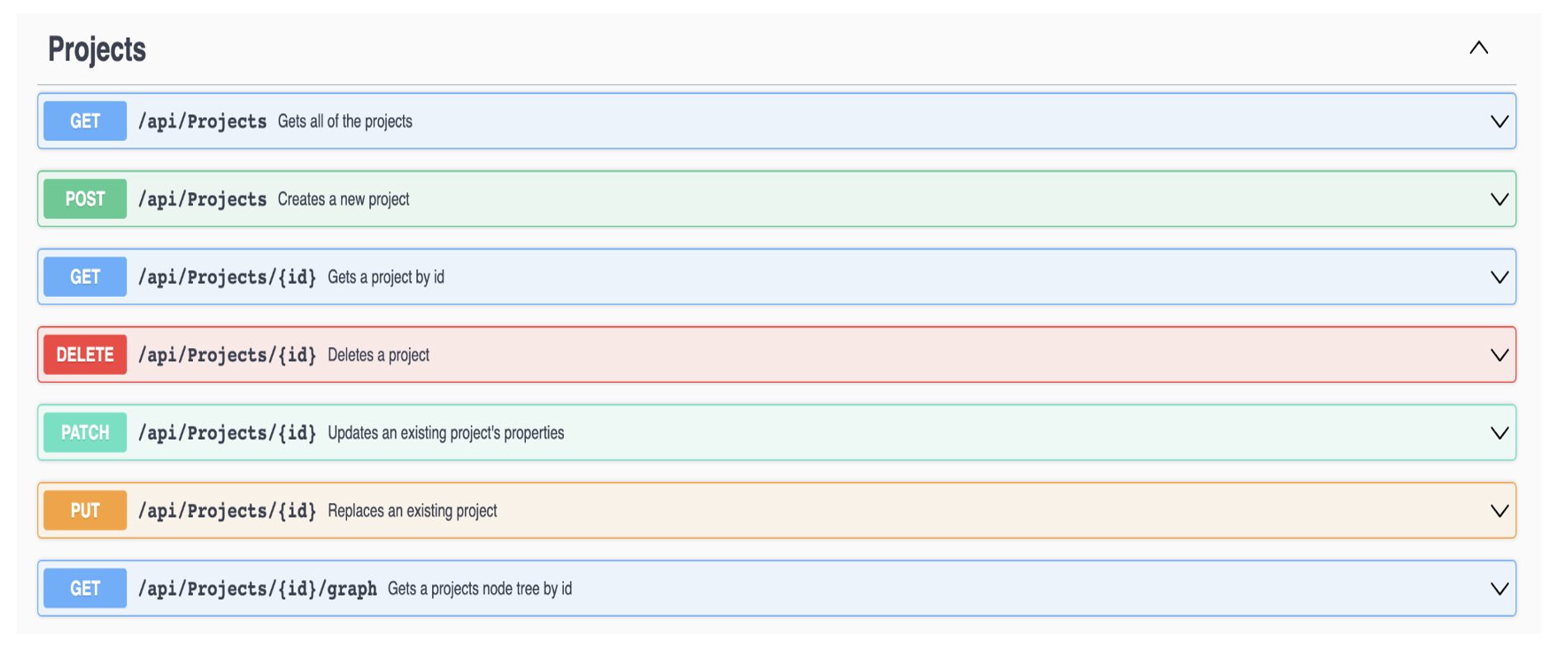
A Practical Guide on How to Design a RESTful API for Your Front End by William Ramirez
When designing an API, a crucial aspect is its intuitiveness and user-friendliness. An intuitive API simplifies the task for the developers using it, enabling them to easily understand its structure and functionality. It also ensures smoother front-end development, making applications more efficient and user-friendly.
Read More
A Two-Perspective Approach to Reverse Engineering by Julian Flaks
Opinions are divided on reverse engineering a legacy solution; some point to all the challenges and declare it the wrong approach, while others recognize that sometimes that is the requirement, and what remains is to mitigate the risks and apply the best methodologies towards getting the job done.
One methodology EQengineered has found to be especially effective is a “two-perspective” approach.
Read More
React Code Characteristics (part 2 of 2 of an Angular/React Comparison) by Julian Flaks
Surveying the types of complexity and maintenance situations does not necessarily help decide a "winning" framework, but culturally may be a good clue as to what will and will not start to be annoying and counterproductive for particular engineering teams or applications.
In both cases, diligence with code maintenance and layout, DRY approaches and above all, using the framework along the patterns it is designed for, help to achieve a codebase which teams can still enjoy developing for years to come.
Read More